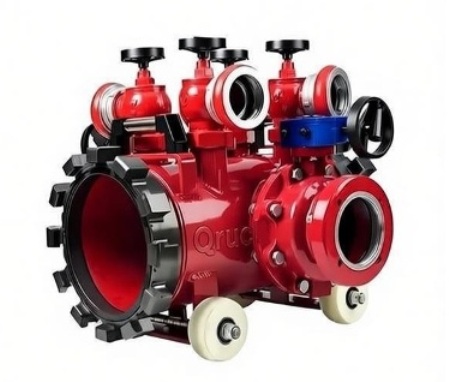
 Languages
Choose Quality Mining Layflat Hoses and Coupling - Mine drainage, remote water supply, and fracturing water supply
In the demanding world of mining, the choice of hose is far from one-size-fits-all. Each operation—from dewatering a flooded pit to pumping abrasive slurries—requires a specialized solution. Among the most versatile tools are layflat hoses, which combine high performance with the ease of flat storage and deployment.
Below, we break down four common types—Slurry Hose, Bore Hose, Drag Hose, and Frac Hose—exploring their unique features and the specific mining needs they address.
Quick Comparison Table
| Hose Type | Key Features | Primary Mining Application | Typical Working Pressure |
|---|---|---|---|
| Slurry Hose | Ultra-abrasion-resistant inner lining (natural rubber or PU); steel wire helix for vacuum resistance and structural integrity. | Conveying highly abrasive, solids-laden fluids—mineral slurries, tailings, concentrates, and sand. | Medium to high (up to ~5,000 kPa) |
| Bore Hose (Dewatering) | Lightweight, flexible, and quick to deploy; typically made with PU and textile reinforcement for easy handling. | Mine dewatering—emergency drainage, groundwater removal, and daily pit drying operations. | Medium to low (1.4–2.2 MPa) |
| Drag Hose | Extra-thick, rugged outer cover engineered for severe abrasion and dragging over rocky or uneven terrain. | Transferring manure, mud, or sludge in mining/agriculture where hoses must be dragged across rough ground. | Low |
| Frac Hose | Multi-layer high-tensile steel wire spiral reinforcement; chemically resistant inner tube for acids and solvents. | Hydraulic fracturing in oil/gas and mining—handling high-pressure fracturing fluids (water-based, oil-based, acidic, or foam). | Extremely high (up to 15,000–20,000 psi / 103–138 MPa) |
Deep Dive into Each Type
1. Slurry Hose – The Workhorse for Abrasive Transfer
Designed to withstand the punishing wear of sharp, heavy particles, the slurry hose features a thick rubber or polyurethane lining that absorbs impact. Its built-in steel wire helix not only prevents collapse under suction but also provides kink resistance. This makes it the go-to choice for tailings lines, concentrate transport, and any application where the conveyed material acts like liquid sandpaper.
2. Bore Hose – Efficiency in Dewatering
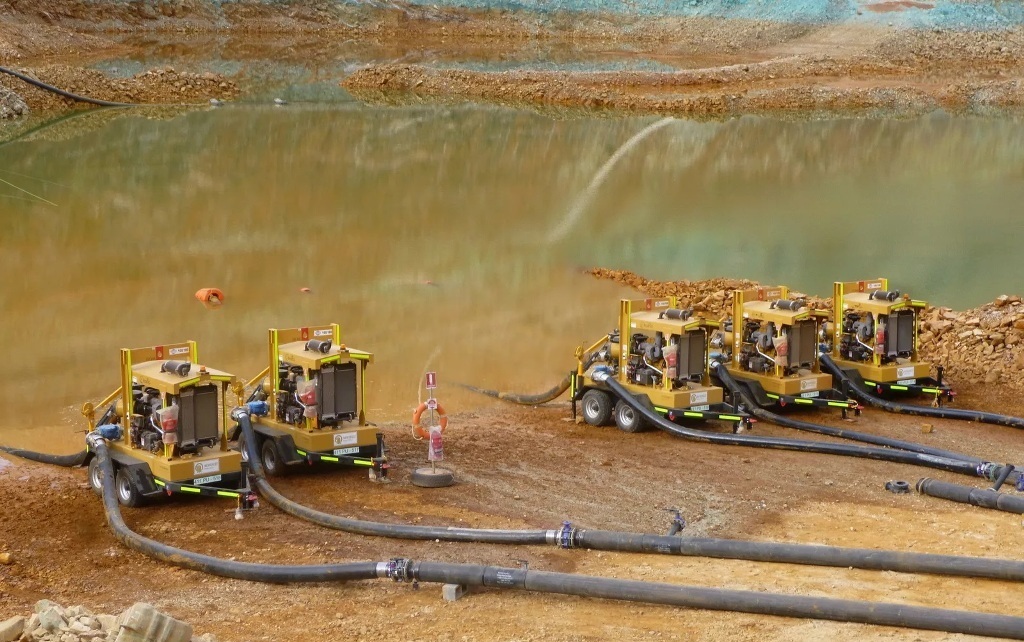
Mining pits constantly accumulate water, and moving that water quickly is critical. Bore hoses are prized for their lightweight, compact construction. Unlike rigid steel or HDPE pipes, they can be unrolled, connected, and redeployed by just a few crew members in a matter of hours—covering several kilometers per day. Their flexibility also makes them ideal for submersible pump connections and temporary bypass lines.
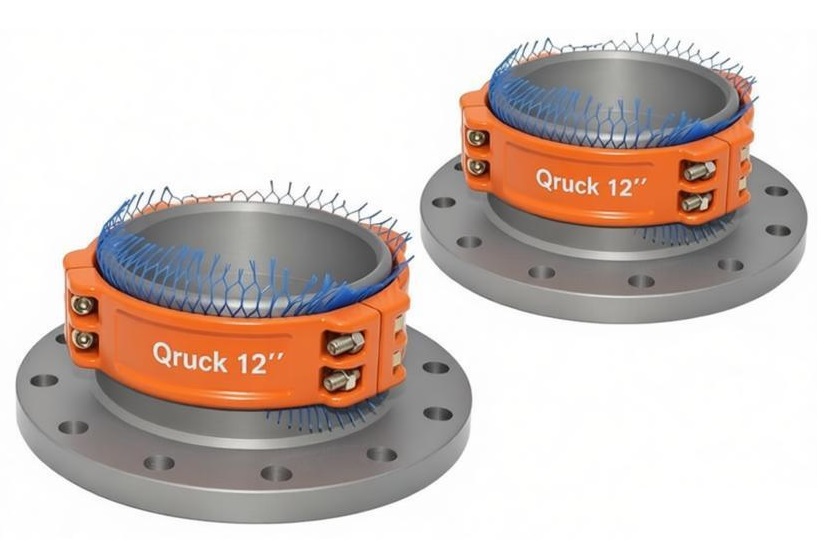
VIC Grooved Coupling for Slurry & Dewatering Hoses
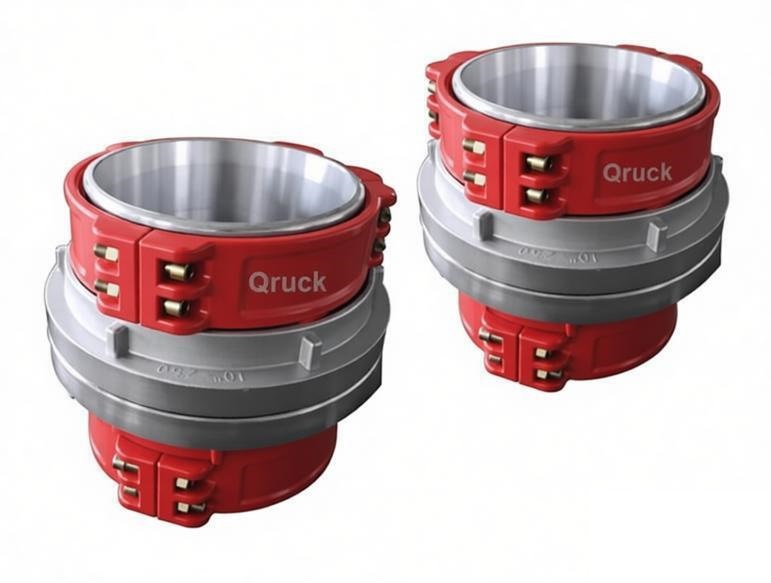
Large Storz Coupling for Drag & High-Pressure Hoses
3. Drag Hose – Built to be Dragged
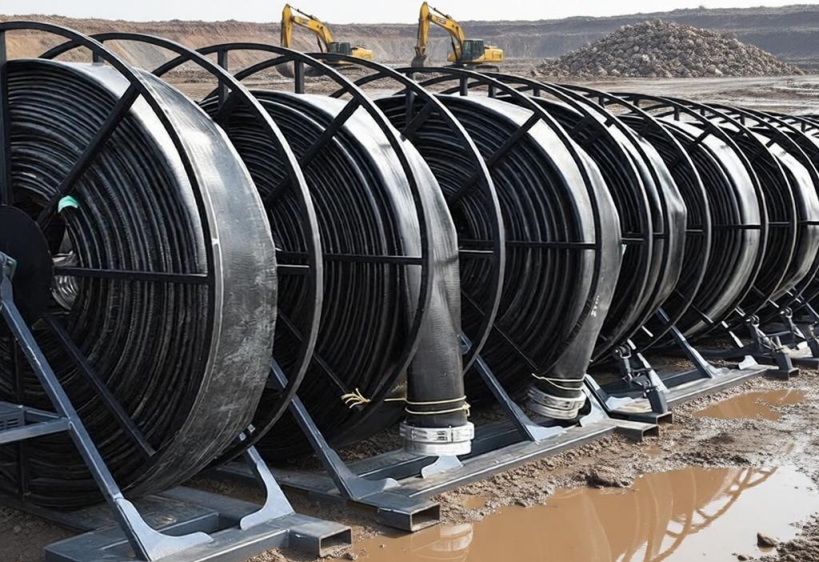
As the name suggests, this hose is made to be pulled across the ground—often over gravel, rock, or concrete surfaces. Its extra-thick external cover acts as a sacrificial layer, protecting the inner tube from cuts and punctures during long-distance drag operations. While not intended for high pressure, its ruggedness ensures uninterrupted flow even in the roughest handling conditions, commonly used for transferring thick sludge or waste materials.
4. Frac Hose – Withstanding Extreme Pressure and Chemistry
Hydraulic fracturing pushes equipment to its limits. The frac hose is engineered to handle not only extraordinary pressures (often exceeding 100 MPa) but also corrosive and chemically reactive fluids. Its multi-layer steel wire construction provides burst resistance, while the specialized inner lining (often nitrile or PTFE-based) resists degradation from acids, salts, and proppants. Safety is paramount here, with burst pressure typically rated at 3–4 times the working pressure.
Key Selection Considerations
Choosing the right layflat hose goes beyond matching the name to the application. Here are a few practical factors to keep in mind:
- Terrain & Deployment Logistics – In rugged, remote mining sites, the portability of a hose can be as critical as its durability. A lightweight bore hose may offer huge labor and cost savings over rigid alternatives, even if its pressure rating is lower.
- Couplings & Safety Margins – Never overlook the fittings. High-pressure applications demand robust connectors (e.g., Bauer couplings, flanged unions, or hammer unions). Additionally, always check the safety factor—a hose with a 4:1 burst-to-working-pressure ratio provides an essential margin against surges and accidental over-pressurization.
- Temperature & Chemical Compatibility – Ensure the tube material is compatible with both the fluid temperature and any additives (e.g., corrosion inhibitors or biocides) that may be present.
Layflat hoses have transformed mining fluid handling by combining performance with practicality. Whether you're dewatering a pit, hauling abrasive slurry, or fracturing a well, there's a specialized product designed for the job—and understanding these differences is the first step toward safer, more efficient operations.
Qruck Mining Hose Coupling Products
Qruck supplies matching mining hose couplings in Aluminum alloy and stainless steel. Slurry Hose Coupling, Bore Hose Coupling, Drag Hose Coupling, Frac Hose Coupling, and other mining hose coupling are available to our production. Our large hose couplings and fittings are widely used in Firefighting & Emergency, Mining and Agriculture.
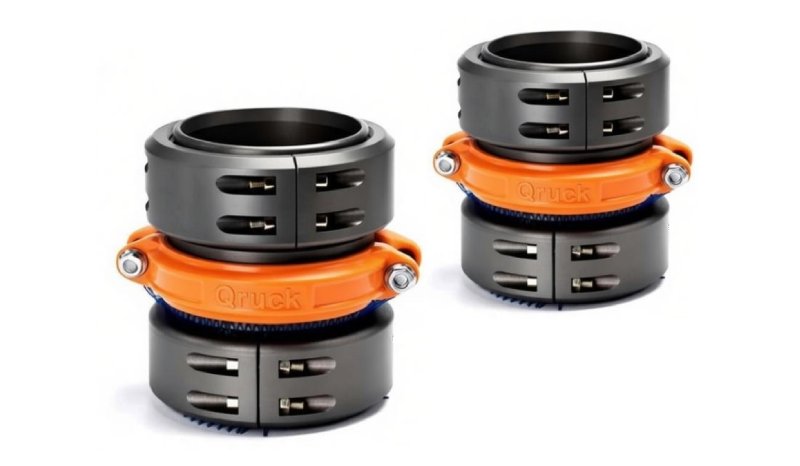
VIC Grooved Coupling
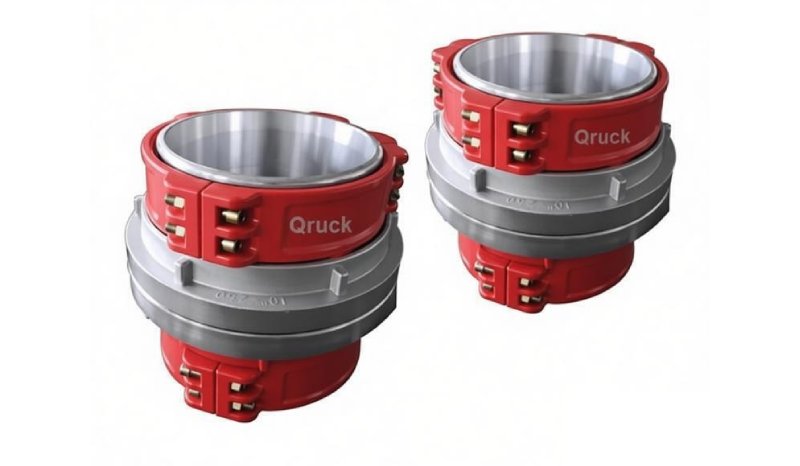
Large Storz Coupling
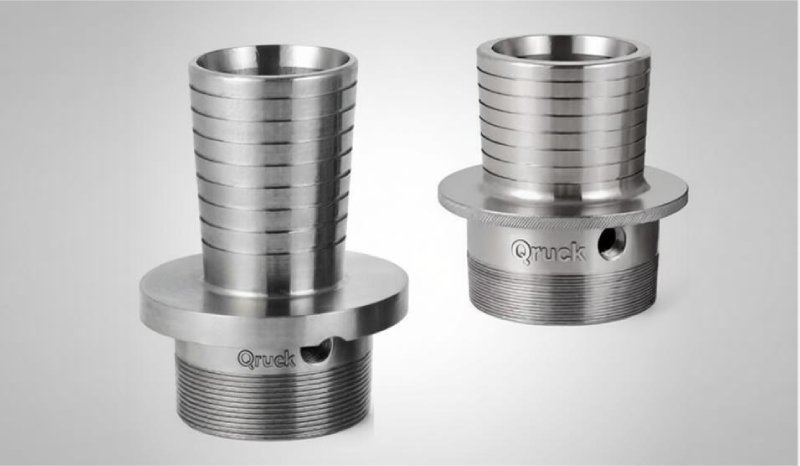
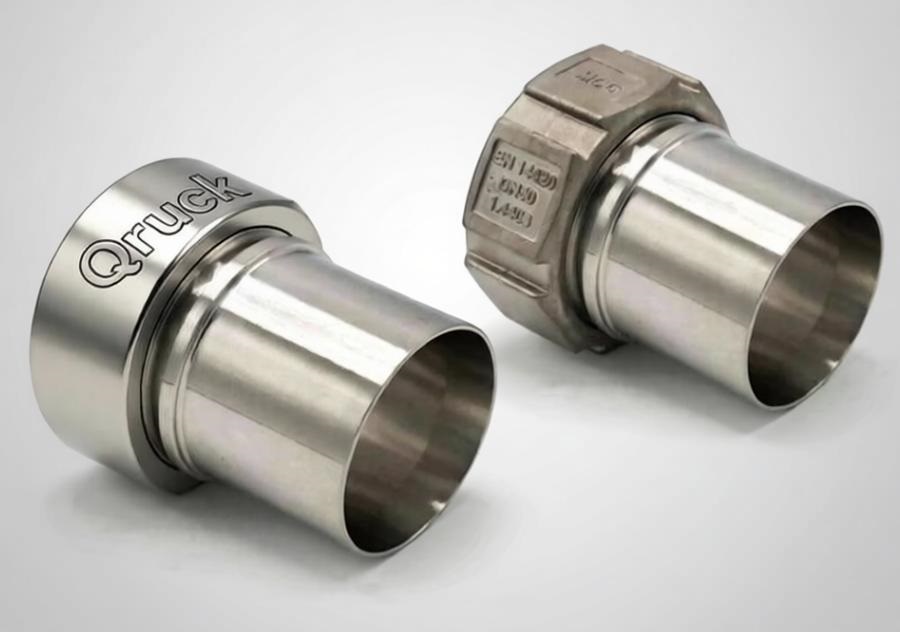
High Pressure Coupling
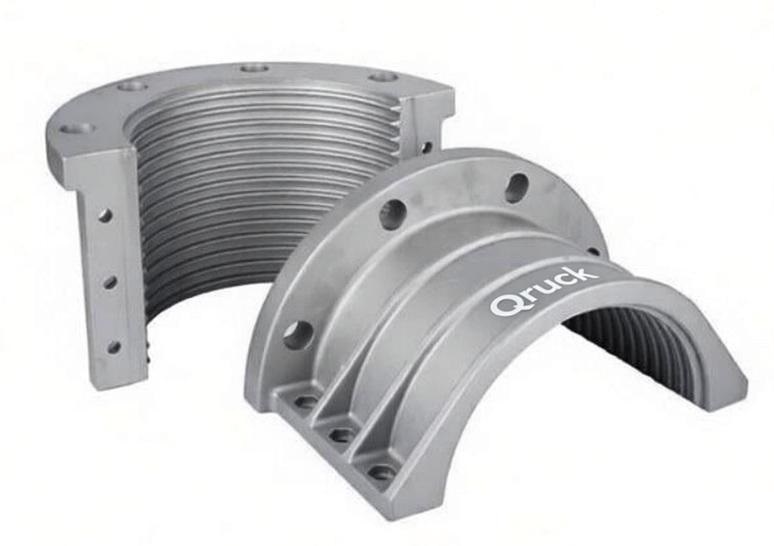
Muff Flange Safety Fire Fittings
Frequently Asked Questions
What are the four main types of mining layflat hoses?
The four common types are Slurry Hose for abrasive solids, Bore Hose for mine dewatering, Drag Hose for rough terrain transport, and Frac Hose for high-pressure hydraulic fracturing operations.
What materials are Qruck mining hose couplings made of?
Qruck mining hose couplings are available in high-strength aluminum alloy and stainless steel, suitable for various mining environments and fluid types.
Which coupling is recommended for high-pressure fracturing?
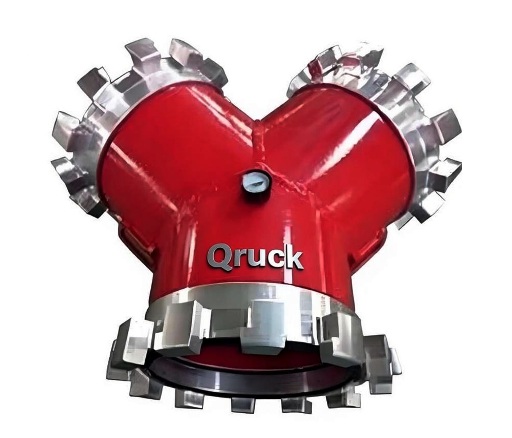
For high-pressure fracturing operations, our High Pressure Coupling and Heavy Multi-lug Coupling are ideal, offering robust structure and reliable sealing under extreme pressure conditions.
Can Qruck provide custom mining coupling solutions?
Yes, we support custom sizing, material options and special configurations to match specific mining hose requirements and working conditions.
Get Custom Mining Hose & Coupling Solutions
Layflat hoses have transformed mining fluid handling by combining performance with practicality. Whether you're dewatering a pit, hauling abrasive slurry, or fracturing a well, Qruck provides durable, high-performance couplings tailored to your mining operations.
Request Project Quote