
 Languages
How to Choose the Best Aluminum Production Process
There are different aluminum casting processes for fire equipments, fire department connections , fire hose couplings and other fire fittings . The strength, wear resistance, and service life of fire fittings produced in different aluminum production processes are different. It may even affect the connection safety of the fire equipments.
We have conducted in-depth research and comparison on production processes such as aluminum gravity casting, aluminum high-pressure casting, aluminum low-pressure casting, and aluminum forging, including material properties, changes in internal structure after casting, heat treatment, and final physical properties. Obviously, aluminum forging is the best choice for high flow and high pressure applications.
Forging Process for Aluminum Fire Fittings
Forging is a manufacturing process that shapes metal using localized compressive forces. In the context of aluminum alloy fire fittings, forging represents a significant upgrade over traditional casting methods.
By applying high pressure to a solid aluminum billet, the forging process fundamentally alters the material's internal structure, leading to a dramatic enhancement in mechanical performance.
Mechanism of Performance Improvement
The primary performance enhancements in forged aluminum fire fittings arise from two interconnected microstructure changes: grain refinement and porosity elimination.
Grain Structure Refinement
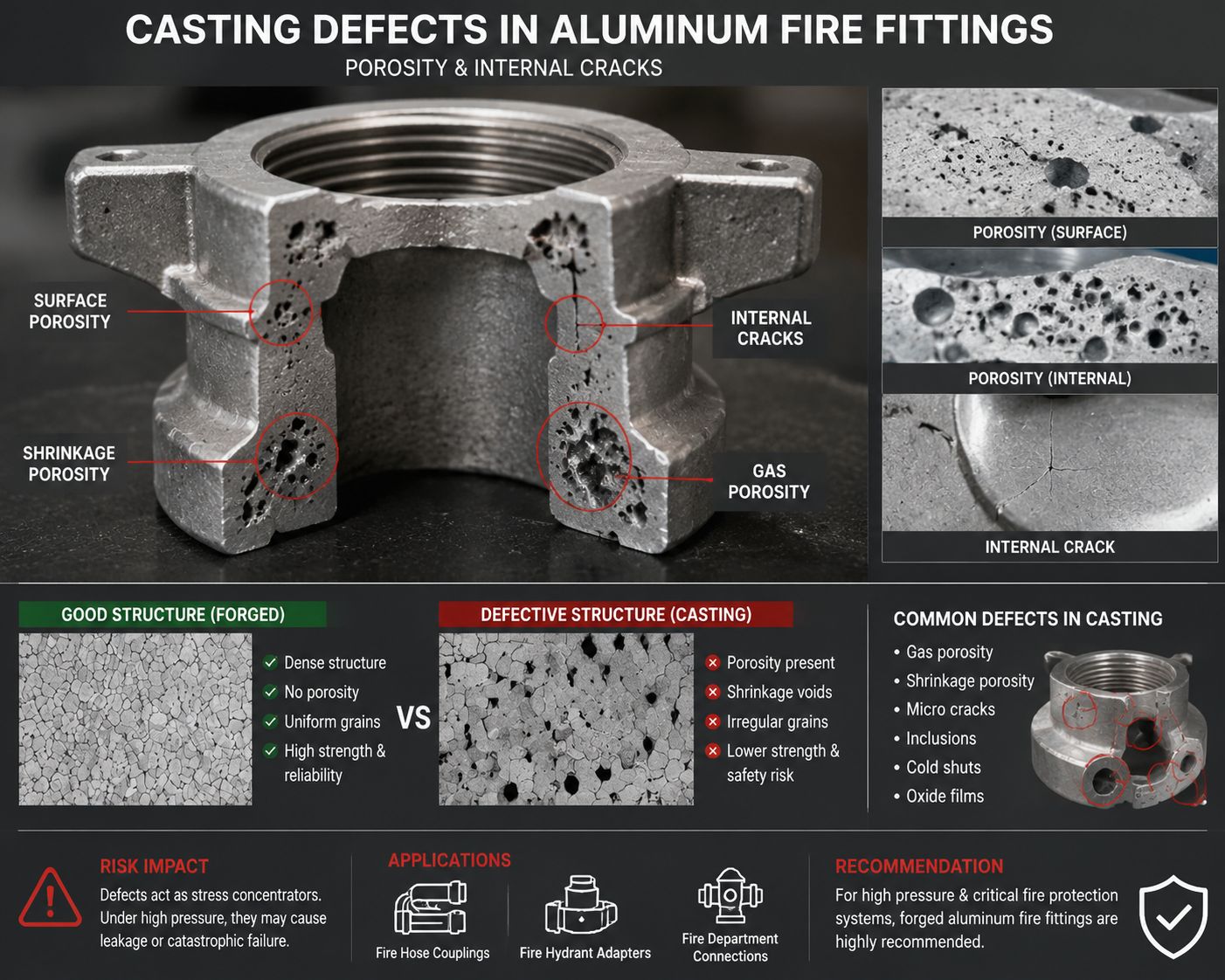
During forging, the aluminum alloy is plastically deformed under high pressure. This process breaks down the coarse, dendrite grain structures inherited from the original cast billet. The result is a uniform and refined grain structure.
Research has confirmed that multi-axial forging can produce ultra-fine grains. For fire fittings, a homogeneous grain size of 20-30 µm has been achieved, which directly contributes to higher overall material strength.
Porosity Healing and Densification
Cast aluminum is prone to microscopic air pockets and shrinkage porosity, which act as stress concentrators and initiation points for cracks. The forging process applies compressive stresses that effectively "heal" these voids.
The high pressure closes micro porosity and creates a fully dense, wrought microstructure with no internal defects.
Impact of Forging on Fire Fitting Performance
The microstructure advantages translate directly into tangible performance benefits for fire hose couplings and fittings.
| Property | Impact of Forging | Benefit to fire fittings |
|---|---|---|
| Strength & Durability | Significantly increased; mechanical properties can be ~30% higher than cast alloys. | Higher pressure bearing capacity and greater resistance to deformation or cracking under hydraulic shock, ideal for high-pressure fire protection systems. |
| Weight | Reduced; forged fire fittings are approximately 20% lighter than cast fire fittings of equivalent size. | Lighter weight for on-site operation, making hose connection and handling easier and faster for firefighters in emergency situations. |
| Fatigue Life | Substantially improved due to the absence of crack-initiating pores. | Longer service life that can better withstand repeated connection cycles, pressure fluctuations and long-term vibration in working conditions. |
| Ductility | Enhanced; the refined, uniform grain structure allows for greater elongation before fracture. | Less brittle than cast fittings, able to absorb impact and collision without catastrophic failure during transportation and on-site use. |
| Thermal Performance | Improved structural stability under high temperature due to the dense forged structure. | Maintains structural strength and sealing performance reliably in high-temperature fire scenes, avoiding thermal deformation and leakage. |
Material Property Comparison: Casting vs Forging
Below is a detailed comparison of three common aluminum production processes used for fire hose couplings and fittings.
| Property / Aspect | ACD12 (High Pressure Casting) | A356 (Low Pressure Casting) | 6061-T6 (Forging) |
|---|---|---|---|
| Typical tensile strength | ~230–320 MPa | ~240–310 MPa (after T6) | ~310 MPa (min), typical ~310–345 MPa |
| Yield strength (0.2%) | ~160–220 MPa | ~160–220 MPa (after T6) | ~270–280 MPa |
| Elongation (ductility) | Low: ~1–3% | Moderate: ~5–10% (after T6) | High: ~10–17% |
| Hardness (HB) | ~80–95 HB | ~70–90 HB (after T6) | ~95–105 HB |
| Porosity | Higher (gas or shrinkage porosity common) | Low (controlled filling, less turbulence) | Almost none (wrought structure) |
| Density / internal integrity | Less dense (micro-porosity present) | Near-dense, better than HPDC | Fully dense, no porosity |
| Pressure tightness | Moderate (may leak under high pressure) | Good (suitable for hydraulic/pneumatic) | Excellent (best for high-pressure fluid systems) |
| Machining | Fair (can be abrasive; porosity may cause tool wear) | Good (consistent material) | Excellent (uniform grain structure) |
| Heat treatment possible | Limited (can cause blistering due to trapped gas) | Yes (T6 improves strength & ductility) | Yes (T6 is standard) |
| Cost (tooling & unit) | High tooling, low unit cost (mass production) | Medium tooling, medium unit cost | Low to medium tooling (if simple shapes), higher unit cost |
| Advantages summary | Fast production, complex shapes, good surface finish | Good ductility, pressure tight, heat treatable | Highest strength & ductility, no porosity, excellent fatigue & impact resistance |
Summary and Conclusion
In summary, the forging process enhances aluminum fire fittings by fundamentally transforming the metal's internal architecture. By refining the grain structure and eliminating the microscopic voids inherent to casting, forging creates a component that is simultaneously stronger, lighter, and more durable.
While forged fire hose couplings carry a higher manufacturing cost, the significant improvements in performance, safety, and longevity make them the superior choice for high flow or high pressure fire equipments, fire department connections, fire hose couplings and other critical fire fittings.
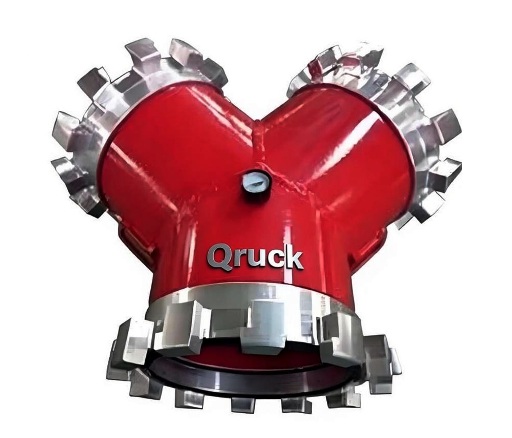
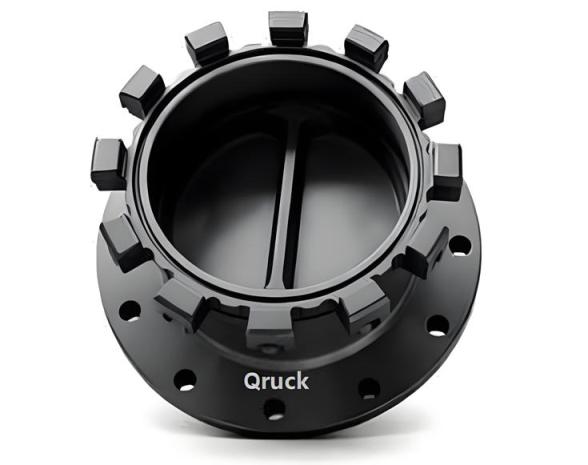
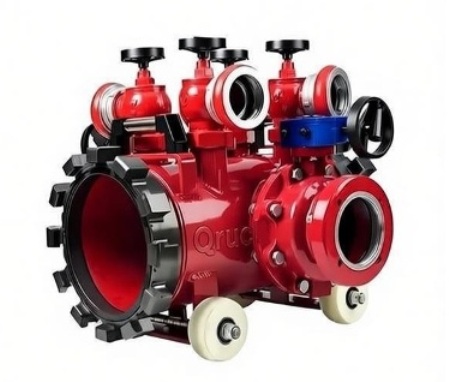
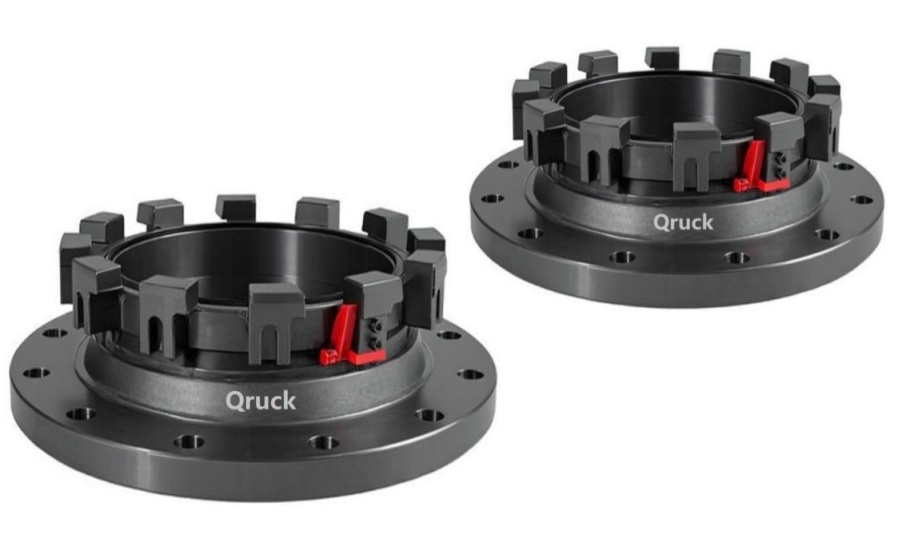
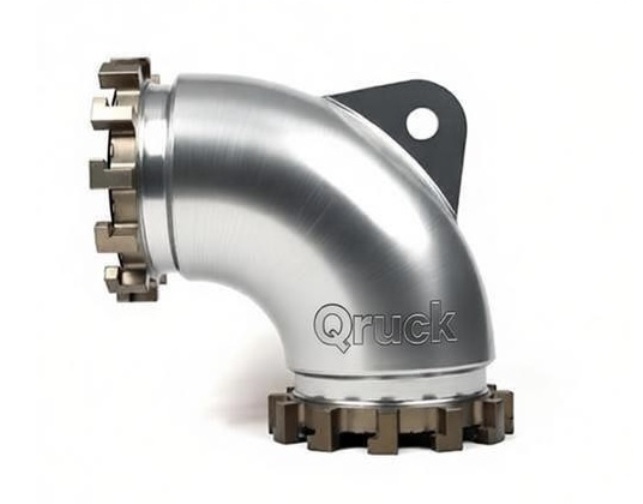
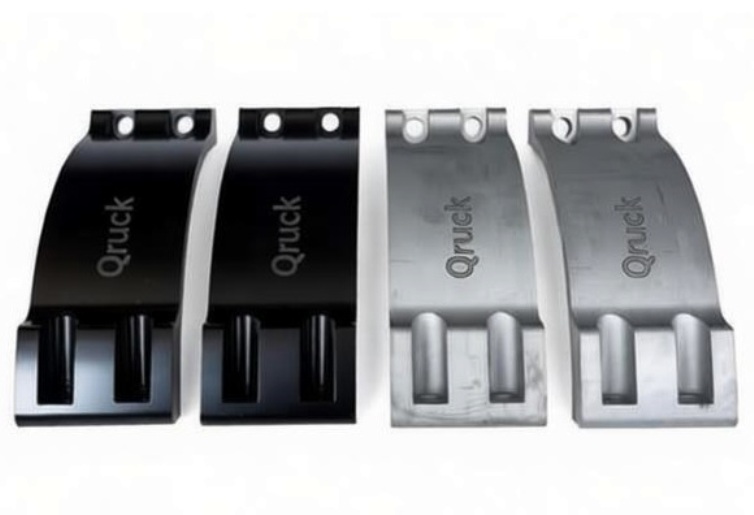
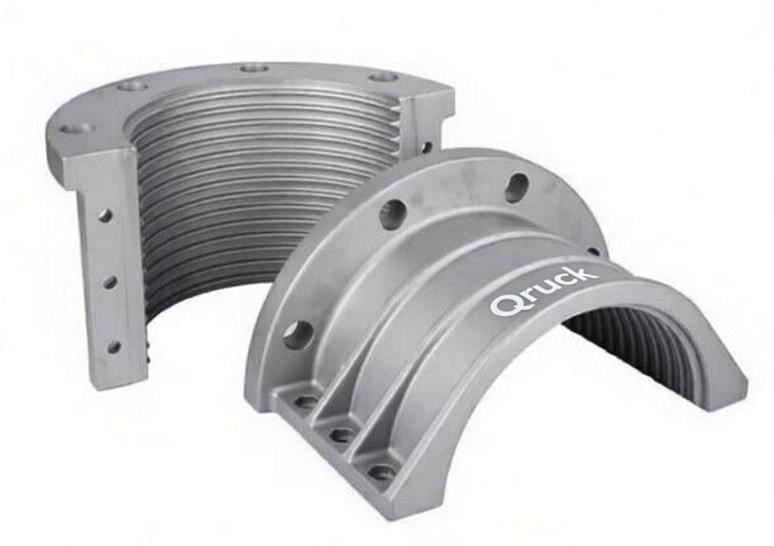
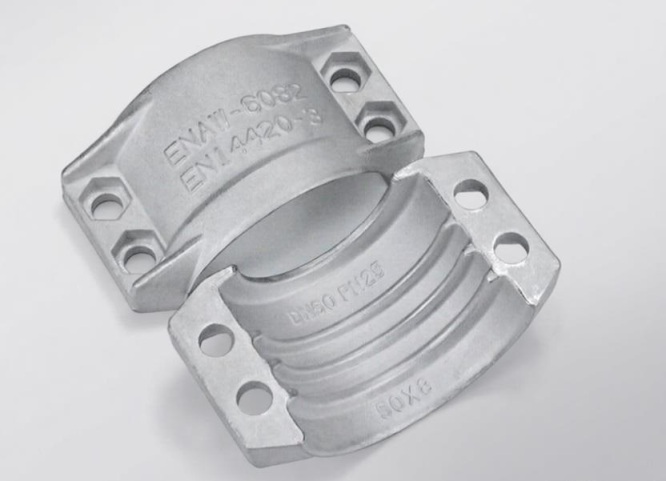
Qruck Forged Fire Fittings Manufacturing
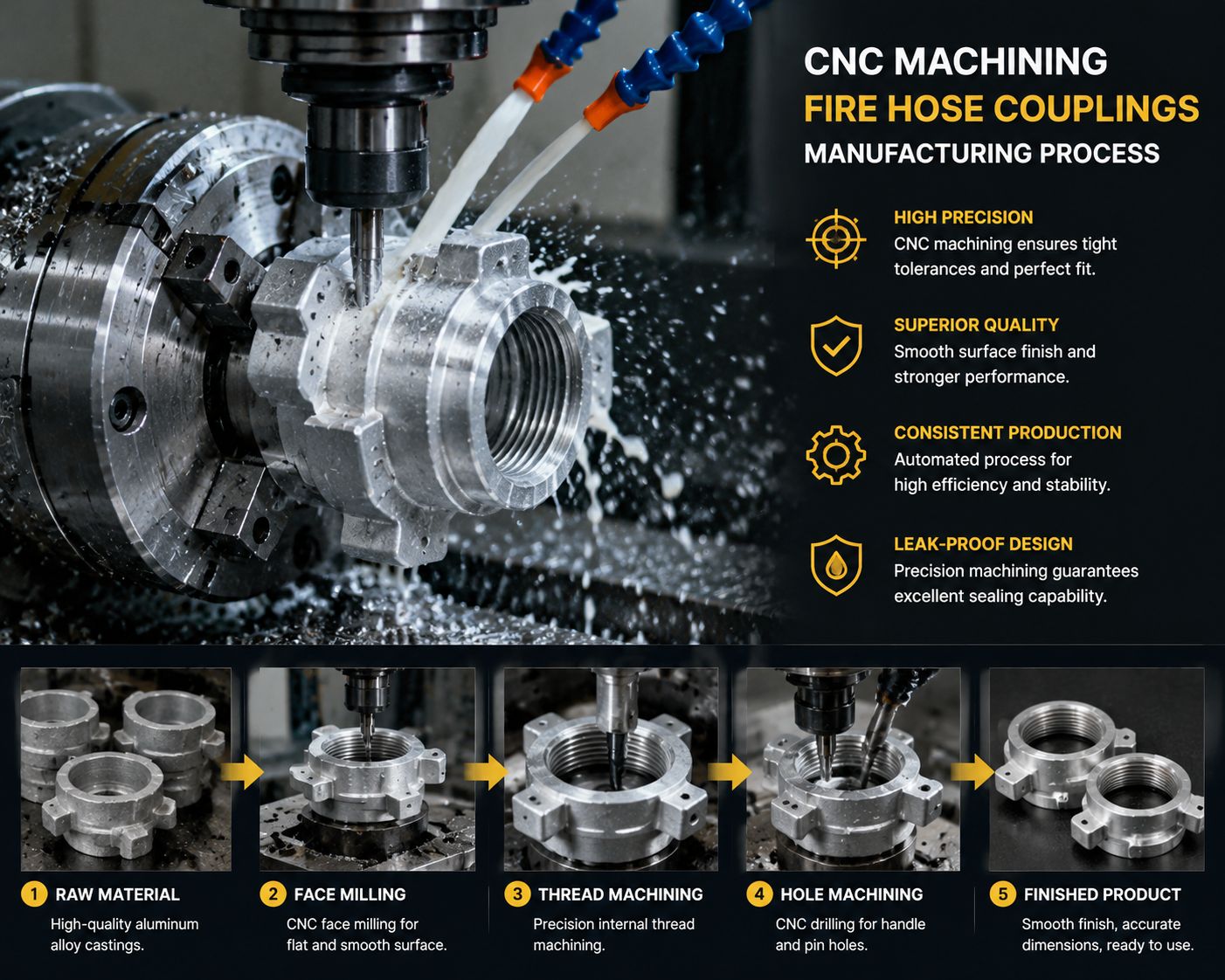
Qruck focuses on the production of aluminum heavy forging process. After precision forging process, we always arrange CNC machining for all the connecting dimensions, which ensure smooth fitting work and reliable sealing performance.
We need to carefully choose production processes based on the requirements of different fire-fighting equipment. Especially when the working environment is extremely harsh or the work pressure is relatively high, we should prioritize aluminum forging production technology.
Reliable fire fittings are critical for fire department connection. Understanding which fitting is appropriate for the job is the first step in selecting the correct fire hose connectors and adapters. Our fittings work better in different applications.
Frequently Asked Questions
Which aluminum process is best for high pressure fire hose couplings?
Aluminum forging with 6061-T6 alloy is the best choice for high pressure and high flow fire protection systems, offering the highest strength, density and fatigue resistance.
What is the main disadvantage of cast fire fittings?
Cast aluminum fittings inherently contain porosity and internal voids, which act as crack initiation points and can lead to leakage or failure under high pressure and cyclic stress.
Is low pressure casting better than high pressure casting for fire fittings?
Low pressure casting produces lower porosity and better ductility than high pressure die casting, making it more suitable for pressure-bearing applications, but still inferior to forged aluminum.
Does Qruck offer custom forged fire fittings?
Yes, Qruck provides custom OEM manufacturing including custom sizing, special materials, and full technical support for fire hose couplings and fittings.
How can I choose the right fire hose connector for my application?
You can contact Qruck's technical team for professional guidance on material selection, process recommendation and product specification matching.
Get Technical Support for Your Fire Fittings Project
Contact Qruck engineering team for professional process selection and custom OEM solutions for high pressure fire hose couplings and fittings.
Contact Technical Support