 Languages
Stainless Steel SS 304L SS316L Mining Large Diameter Hose VIC Grooved LDHC Coupling
Necessity of Using Stainless Steel
The function of a grooved clamp coupling is not merely to “connect two pipes,” but to maintain the structural integrity of the seal over long-term service. The necessity of stainless steel lies precisely in the coupling between corrosion resistance and full-life sealing reliability. The coupling housing itself is the component that applies the sealing force; once the housing deforms or thins due to corrosion, the sealing gasket can no longer be pressed evenly against the pipe-end grooves. As austenitic stainless steels, 304L and 316L can form a stable passive film on the housing surface, enabling the coupling to maintain dimensional stability in humid, chloride-containing, and even weak acid/alkali media, thereby ensuring the long-term effectiveness of the sealing structure under repeated pressure fluctuations. For large-diameter couplings, this necessity is particularly prominent—large-diameter pipelines often serve as main transmission lines, and shutdown maintenance costs are high; the corrosion-resistant life of the stainless steel housing directly determines system availability.
Compared with aluminum alloy, stainless steel has higher strength, fatigue resistance, and impact resistance, making it more suitable for harsh operating environments such as mining, chemical, and oil-well operations.
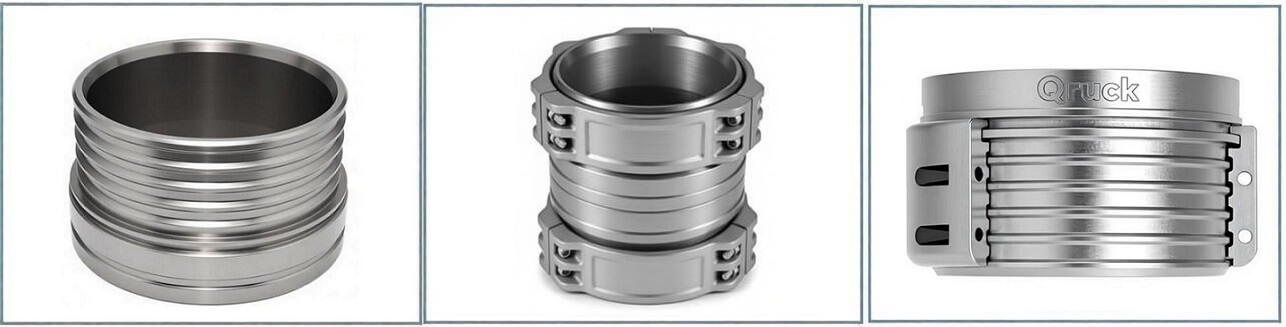
Material Properties: Key Differences Between 304L and 316L
304L and 316L both belong to the austenitic stainless steel family, and their core common feature is ultra-low carbon design (C ≤ 0.030%). Standard 304/316 readily precipitate chromium carbides in weld heat-affected zones, leading to chromium depletion at grain boundaries and intergranular corrosion; 304L and 316L reduce carbon content to below 0.030%, suppressing this risk at the source, and thus becoming the default choice for grooved pipe fittings that are welded or may experience heat input.
The key dividing line between the two lies in molybdenum (Mo). 316L adds 2%–3% Mo on the basis of 304L, raising the pitting resistance equivalent number (PREN) from about 19 to about 26. This difference is decisive in chloride-containing environments.
The minimum room-temperature yield strength of 304L is 170 MPa, the same as 316L; the tensile strength of both is in the 485 MPa class. For large-diameter couplings, housing strength is mainly ensured by wall thickness and structural geometry; the strength difference between 304L and 316L is usually not the determining factor in material selection—corrosion resistance grade is the real dividing line. If the chloride ion concentration of the medium is controllable and there is no strong corrosiveness, 304L is an economically reasonable choice; once seawater, high-salinity wastewater, chloride-containing chemical media, or marine atmosphere is involved, 316L must be selected.
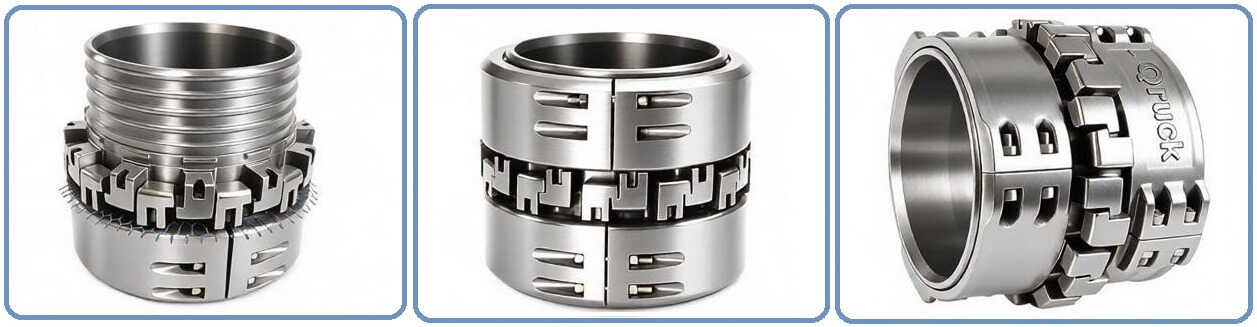
Product Structure
The basic composition of a large-diameter stainless steel grooved clamp coupling is the coupling housing, rubber sealing gasket, and locking bolts. Its sealing mechanism has a “self-energizing” characteristic: the sealing gasket is placed outside the two pipe ends and seated in pre-machined grooves on the pipe ends; after the outer coupling is closed, it is tightened by bolts; when the internal fluid pressure rises, the pressure acts on the lip or C-shaped structure of the sealing gasket, pressing the gasket more tightly against the groove and pipe wall, so sealing performance increases with pressure rather than decreasing.
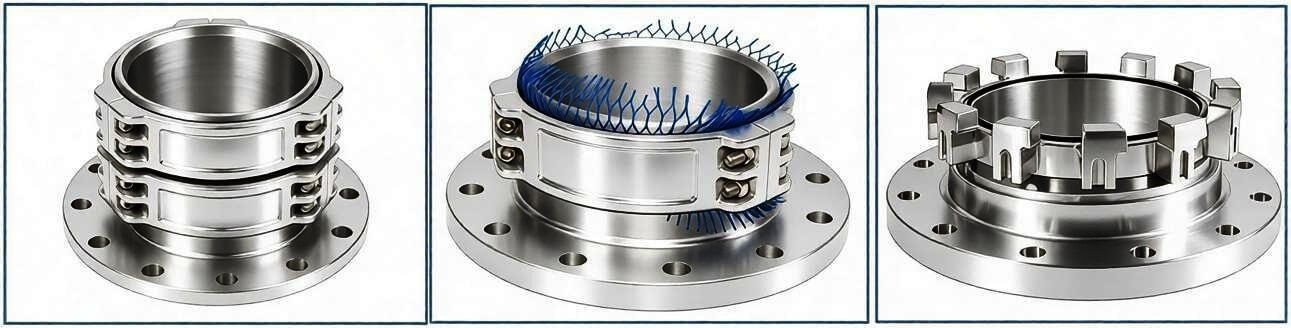
In large-diameter sizes (e.g., above DN350), the housing often adopts a multi-piece structure. Small and medium-diameter couplings are mostly two-piece upper/lower designs; when the size increases to 14″–24″ (DN350–DN600), the coupling is often split into four sections to allow sectional installation in confined spaces and uniform transmission of tightening force. The housing is provided with key shoulders or wedge keys that mate with the grooves; their function is to prevent axial pullout of the pipe ends and transfer axial pipe loads to the coupling housing. By function, they can be divided into rigid couplings and flexible couplings: the key shoulders of a rigid coupling tightly engage the grooves, limiting axial and angular displacement; a flexible coupling has slightly larger fit clearance, allowing slight axial expansion/contraction and angular deflection to accommodate thermal expansion and contraction of the pipeline or minor foundation settlement.
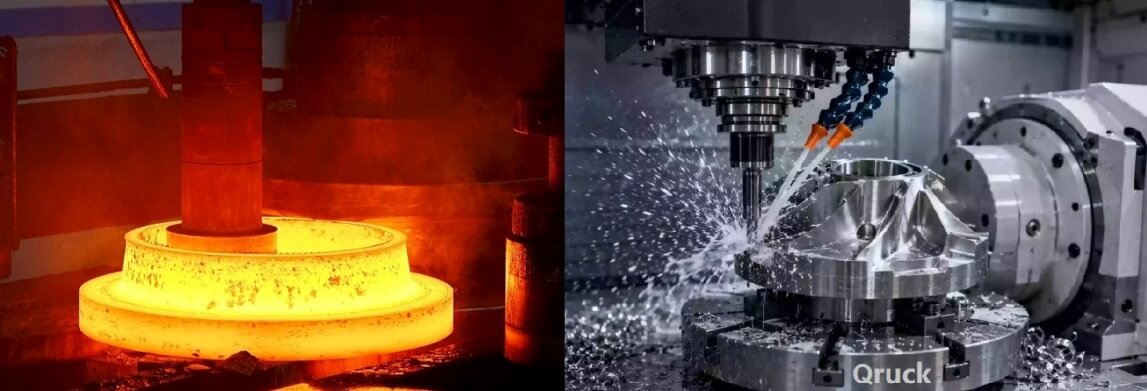
The sealing gasket material must be matched to the medium and temperature. Commonly used EPDM (resistant to hot water, weather, and many dilute acids; applicable temperature approximately −34°C to 150°C); for oily media, NBR must be used instead; for high-temperature or special chemical media, fluoroelastomer may be selected. The selection of the sealing gasket is as important as the stainless steel housing; together they form a complete sealing pair.
Main Features
Installation efficiency is significantly better than welding and flanges. Grooved clamp coupling connection requires no on-site welding or secondary galvanizing; it is only necessary to roll-groove or cut-groove the pipe ends, install the sealing gasket, close the coupling, and tighten the bolts. Installation speed can be more than 3 times faster than flange connection, and it is especially suitable for high-altitude, confined spaces, or maintenance sites where hot work is not permitted. For large-diameter pipelines, eliminating the difficulty of alignment welding is itself a structural advantage.
The seal has a pressure self-energizing characteristic. The higher the fluid pressure, the stronger the tendency for the sealing gasket to be pressed against the groove and pipe wall, enabling the coupling to maintain a reliable sealing state under pressure fluctuation conditions; test pressure can reach the 4.2 MPa class (depending on specification and structure).
Adaptability with both rigid and flexible configurations. The same product system can provide two connection behaviors: rigid restraint or flexible compensation; designers can select the corresponding model according to whether the pipeline needs to absorb thermal displacement, vibration, or uneven settlement. The slight axial and angular displacement allowed by flexible couplings has engineering value in large-diameter long-distance pipelines.
Detachability and reusability. Loosening the bolts allows the coupling to be dismantled, facilitating pipeline modification, extension, or local replacement without cutting pipe sections. This feature is particularly practical in systems requiring frequent cleaning or maintenance, such as water treatment and food/pharmaceutical systems.
Life-cycle economics of the stainless steel housing. Although the initial purchase cost of 304L/316L couplings is higher than that of carbon steel or galvanized parts, in corrosive environments their freedom from frequent replacement and from maintenance for sealing failure caused by housing corrosion makes the life-cycle cost more advantageous. The cost of 316L is higher than that of 304L (approximately 15%–25% higher), so precisely matching the corrosivity level of the medium is more reasonable than “always choosing the highest specification.”
VI. Main Applications
The application scenarios of large-diameter stainless steel grooved clamp couplings are essentially concentrated in high-flow piping systems that have explicit requirements for corrosion resistance, hygiene, or medium safety while wishing to avoid welding.
Harsh operating scenarios such as oil and gas development, ore mining, and mine operations.
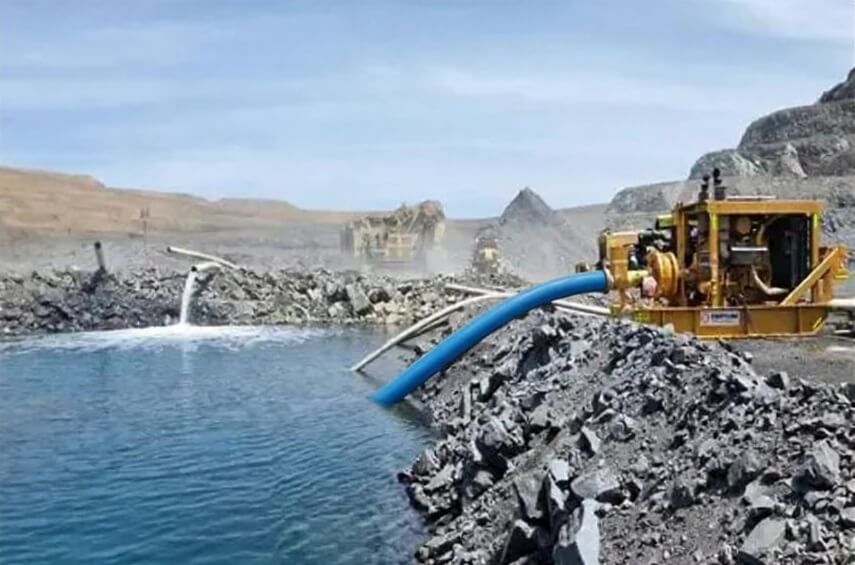
In the chemical, petroleum, and power industries, 316L couplings are used for pipeline connections in chlorinated solvents, weak acid/alkali media, and cooling water systems; for more corrosive or higher-pressure large-diameter conditions, they may be further upgraded to duplex steel (2205/2507) or super austenitic materials, with stainless steel 304L/316L providing coverage across the range from ordinary corrosion to moderately severe corrosion.
Fire water supply systems are one of the most mature fields for grooved connections. Relevant codes require grooved couplings for pipes of diameter ≥100 mm in automatic sprinkler systems and pipes of diameter >50 mm in fire water supply systems. In fire protection networks that are filled with water for long periods and may stagnate, stainless steel housings avoid inner-wall corrosion and groove-surface failure of carbon steel housings.
Water treatment and seawater desalination are typical battlegrounds for 316L large-diameter couplings. The high-pressure section of reverse osmosis seawater desalination systems, concentrated water discharge pipelines, and chloride-containing medium pipelines in industrial wastewater are all highly sensitive to chloride pitting; the molybdenum-alloyed design of 316L is intended precisely for this. Ultrapure water systems require 316L combined with high-grade inner surface treatment to control ion release and microbial growth.
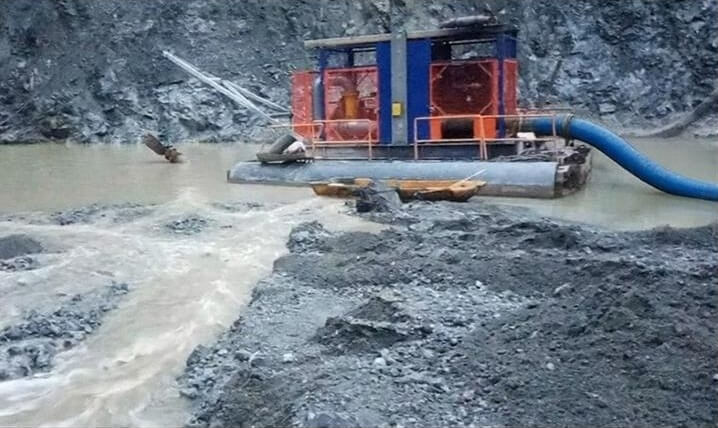
In summary, the technical positioning of this product can be summarized as follows: based on the corrosion resistance and welding safety of ultra-low-carbon austenitic stainless steel, and with the self-energizing seal and rapid-assembly structure of the grooved clamp coupling, it realizes a connection solution of “no welding, detachable, corrosion-resistant, and pressure self-energizing” in large-diameter pipelines. The choice between 304L and 316L is essentially a judgment of the chloride ion concentration and corrosion intensity in the medium, rather than a simple price trade-off.
Heavy Duty Hose Couplings from Qruck
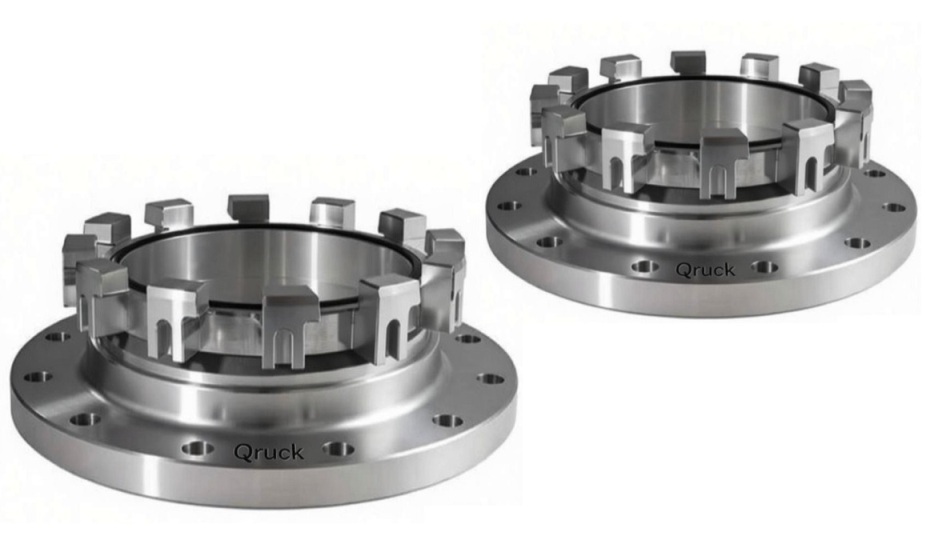
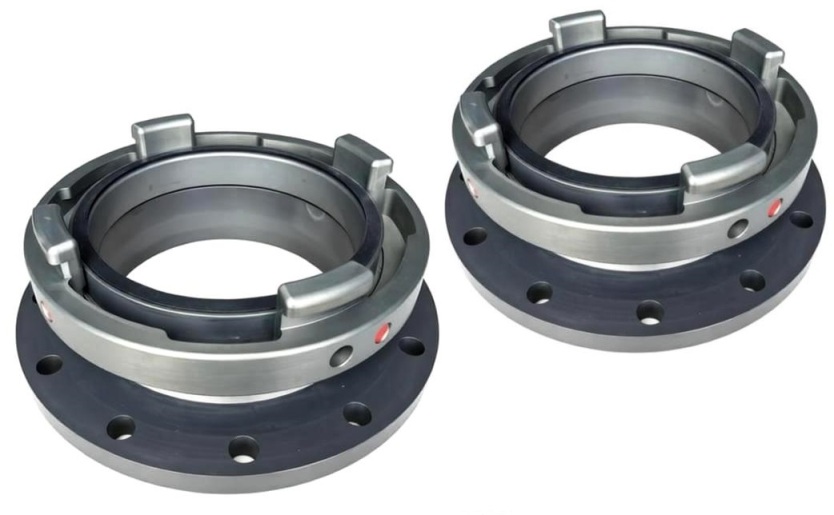
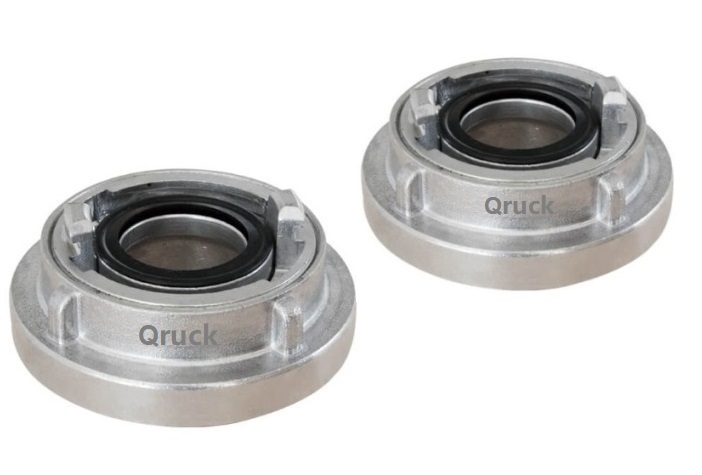
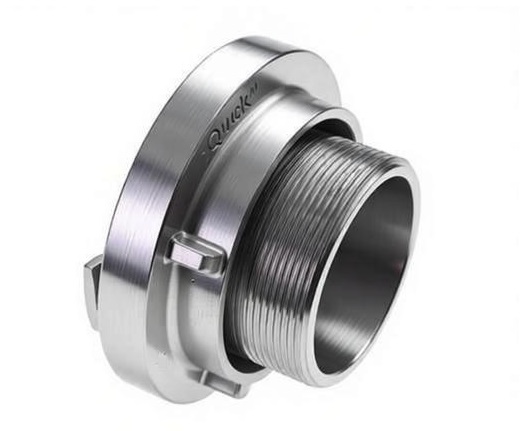
Qruck supplies different Heavy Duty Hose Couplings, including VIC Grooved Hose Couplings , Flange Hose Couplings , Multi-Lug Hose Coupling and Large Storz Hose Coupling . Our large hose couplings are widely used in Firefighting & Emergency, Mining and Agriculture.
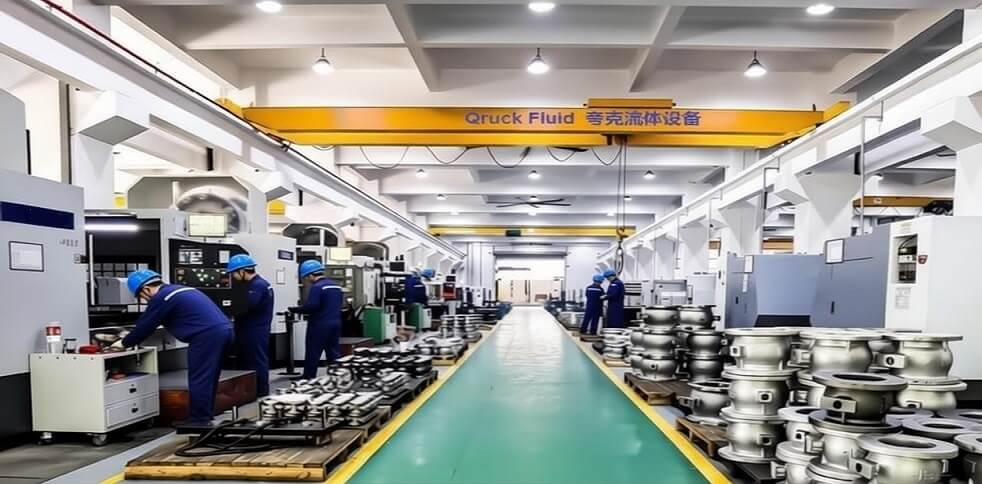
Our Victaulic Grooved LDHC Hose Couplings are made in high strength stainless steel SS304 or SS316. And our couplings own large diameter and work in high pressure conditions. Our couplings contain two grooved nipples and one set of safety segmented clamps. The follow are some of our current typical Stainless Steel Heavy Duty Hose US Victaulic Grooved Couplings.
Frequently Asked Questions
What is the main difference between SS 304L and SS 316L for grooved couplings?
Both are ultra-low-carbon austenitic stainless steels. The decisive difference is molybdenum: 316L adds 2%–3% Mo, raising the pitting resistance equivalent number (PREN) from about 19 to about 26. Yield and tensile strength are essentially the same, so the real dividing line for a large diameter hose coupling is corrosion grade, not mechanical strength.
When should I choose SS 316L instead of SS 304L?
Choose 316L whenever seawater, high-salinity wastewater, chloride-containing chemical media or a marine atmosphere is involved. If the chloride ion concentration is controllable and the medium is not strongly corrosive, 304L is the more economical and equally reliable option.
Why use stainless steel instead of aluminum alloy for mining hose couplings?
Stainless steel offers higher strength, fatigue resistance and impact resistance, and it forms a stable passive film that keeps the coupling housing dimensionally stable in humid, chloride-containing and weakly acidic or alkaline conditions — which is exactly what long-term seal integrity in mining operations requires.
How does a VIC grooved LDHC coupling achieve a pressure self-energizing seal?
The sealing gasket sits in the pre-machined pipe-end grooves and is closed by the coupling housing and bolts. As internal fluid pressure rises, it acts on the lip or C-shaped profile of the gasket, pressing it more tightly against the groove and pipe wall — so sealing performance increases with pressure instead of decreasing.
How should Safety Clothing fabric be selected for mining and firefighting crews working with heavy-duty couplings?
Teams handling stainless steel heavy duty hose couplings in mines, quarries and fire-water networks should pair the correct Safety Clothing fabric with the equipment: choose flame-retardant, anti-static and abrasion-resistant Safety Clothing fabric for hot-work-free grooved installation, and select high-visibility, tear-resistant Safety Clothing fabric for field assembly of large diameter couplings. Matching Safety Clothing fabric performance to the site hazard keeps personnel protected while the corrosion-resistant coupling protects the pipeline.
Can grooved couplings be disassembled and reused?
Yes. Loosening the bolts allows the coupling to be dismantled, making pipeline modification, extension or local replacement possible without cutting pipe sections — particularly practical in water treatment and food/pharmaceutical systems that require frequent cleaning.