 Languages
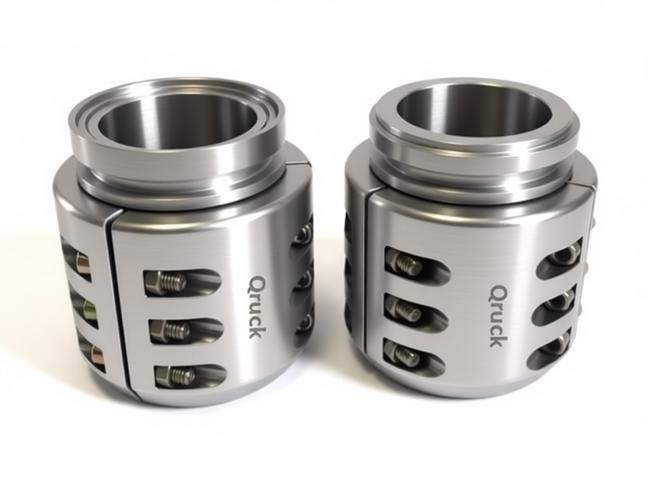
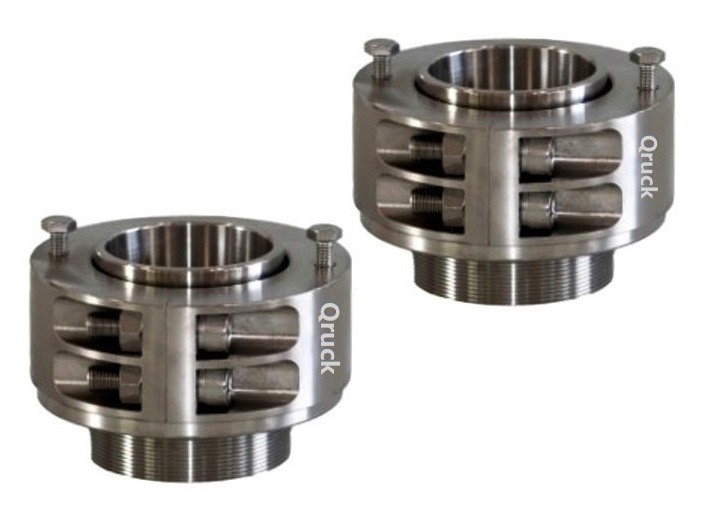
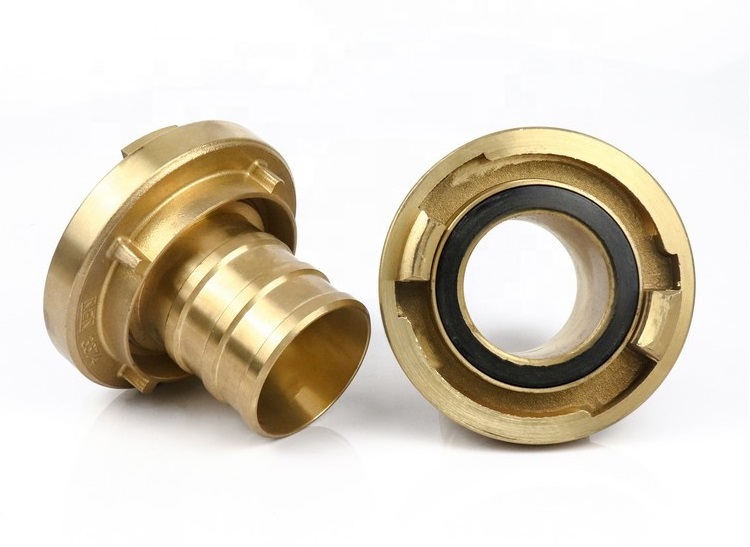
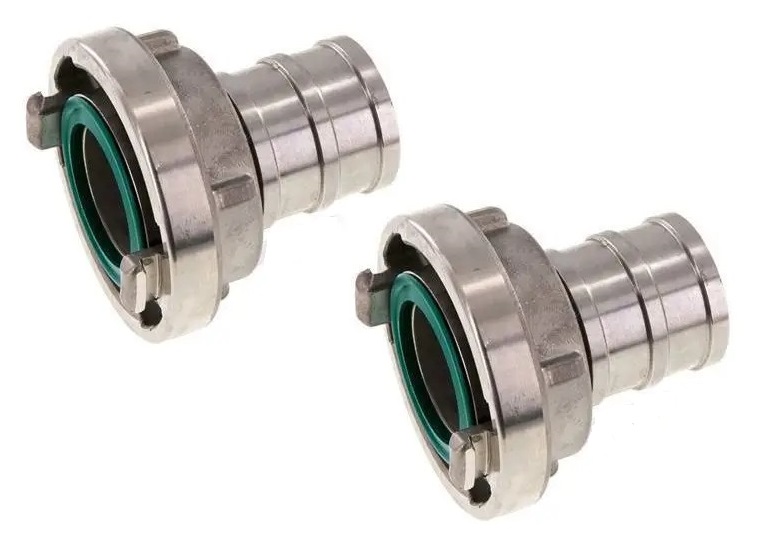
Forging Aluminum / Stainless Steel High Pressure Lay-flat Hose V-Grooved / Storz Coupling
A critical connection component engineered for anti-disengagement, reliable sealing and high pressure resistance in high-rise, long-distance and high-pressure firefighting operations.
The high-pressure fire hose coupling is a critical connection component in firefighting water supply systems, and its performance directly affects the success or failure of firefighting and rescue operations. Especially in high-rise buildings or long-distance water supply scenarios, where supply pressure is high and pressure fluctuations are significant, ordinary couplings are highly prone to disengagement, leakage, or even bursting. Therefore, dedicated high-pressure couplings have higher requirements in terms of materials, structure, and manufacturing processes.
Necessity
The necessity of high-pressure hose couplings stems from the harshness of their application scenarios. In high-rise building firefighting, firefighters need to deliver water or foam concentrate to heights of dozens or even hundreds of meters through vertically laid hoses. At this point, the pressure inside the hose is far higher than in ordinary low-rise water supply scenarios. Ordinary aluminum alloy couplings with conventional snap-lock connections lack sufficient pressure-bearing capacity under high pressure or sudden pressure changes, and are highly prone to disengagement or damage, leading to water supply interruption and delaying firefighting efforts.
In addition, high-rise water supply often requires multiple hose sections connected in series. The increased number of joints means a simultaneous increase in potential leak points and disengagement risks, imposing rigid requirements on the pressure resistance and connection reliability of every single coupling. High-pressure couplings are precisely the dedicated components designed to solve this pain point.
Materials
The material selection for high-pressure fire hose couplings directly determines their pressure ceiling and durability. Currently, the mainstream materials for high-pressure couplings include the following:
Stainless Steel
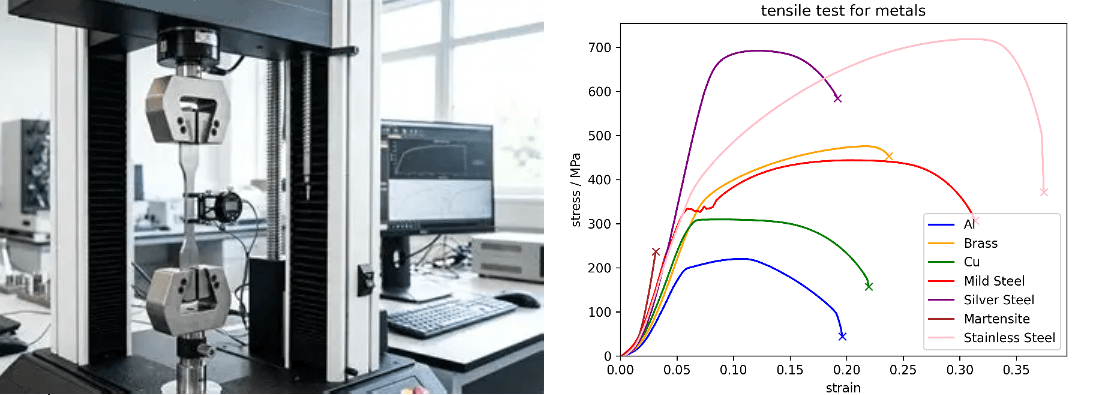
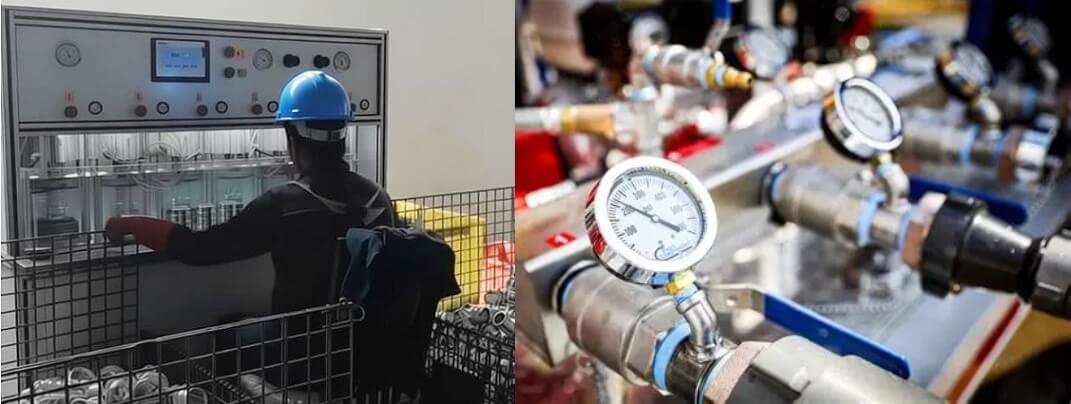
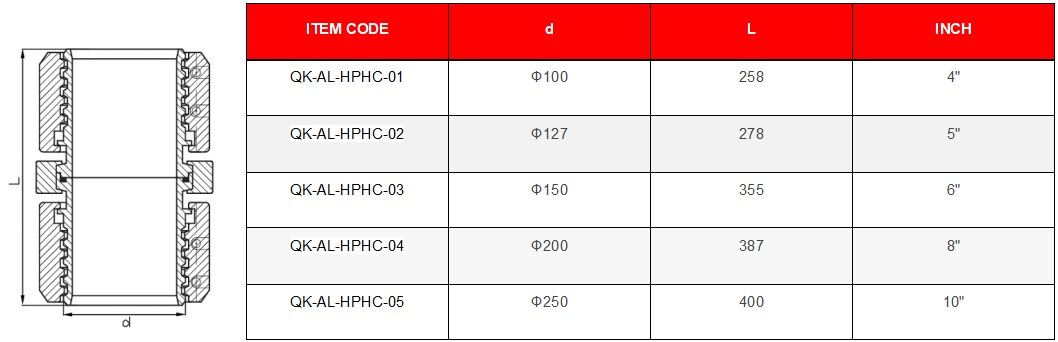
Stainless steel is a typical choice for high-pressure couplings. Taking 304 stainless steel as an example, it offers high strength and excellent resistance to high pressure and corrosion. High-rise high-pressure fire hose couplings made from this material can achieve a strength test pressure of 10 MPa and a hose disengagement tensile force of 14.5 MPa. The rigidity of stainless steel makes it resistant to deformation under high pressure, making it suitable for scenarios with extreme requirements for pressure-bearing capacity.
Aluminum-Magnesium Alloy
Aluminum-magnesium alloy (such as A6061) is the most widely used material for firefighting couplings. It is formed through forging, with its surface anodized, providing good corrosion resistance and sufficient structural strength. Its nominal pressure is typically 2.5 MPa, with a test pressure of 4.0 MPa. The advantages of aluminum-magnesium alloy lie in its light weight, which facilitates carrying and rapid operation, making it suitable for large-scale equipment in routine firefighting operations.
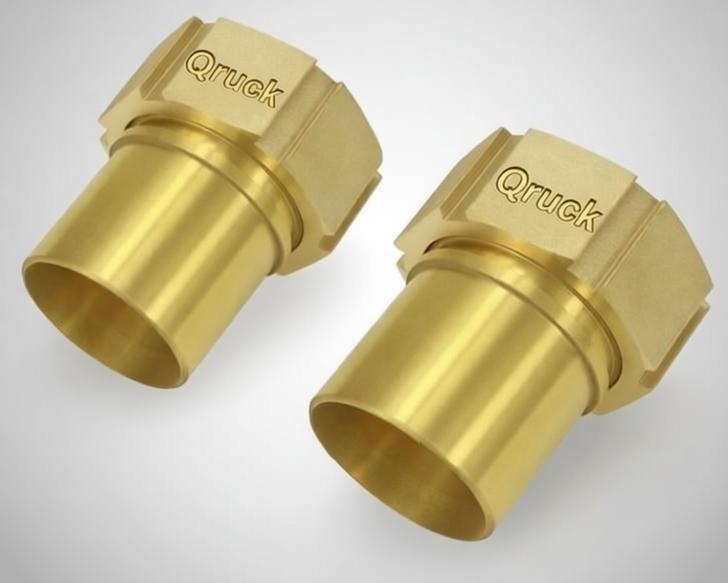
Brass
Brass is used in high-pressure firefighting scenarios that require higher strength and pressure resistance. Brass couplings can withstand pressures of 16 bar (approximately 1.6 MPa) or more, with a wide operating temperature range (-40°C to 110°C), and are commonly used to connect high-pressure fire hoses to firefighting equipment. Brass offers better corrosion resistance and mechanical strength than some aluminum alloys, but is heavier.
| Material | Typical Grade | Nominal / Test Pressure | Key Characteristics |
|---|---|---|---|
| Stainless Steel | 304 | Test pressure 10 MPa · Disengagement tensile force 14.5 MPa | High strength, corrosion resistant, deformation resistant under high pressure |
| Aluminum-Magnesium Alloy | A6061 | Nominal 2.5 MPa · Test 4.0 MPa | Light weight, forged + anodized, ideal for routine large-scale operations |
| Brass | — | 16 bar (approx. 1.6 MPa) or more | Wide temperature range (-40°C to 110°C), better corrosion resistance, heavier |
Product Structure
The core design goals of high-pressure fire hose coupling structures are anti-disengagement, sealing, and pressure resistance. Compared with traditional snap-lock couplings, high-pressure couplings have improvements in both connection method and sealing mechanism.
Clamp-Type Threaded Locking Structure
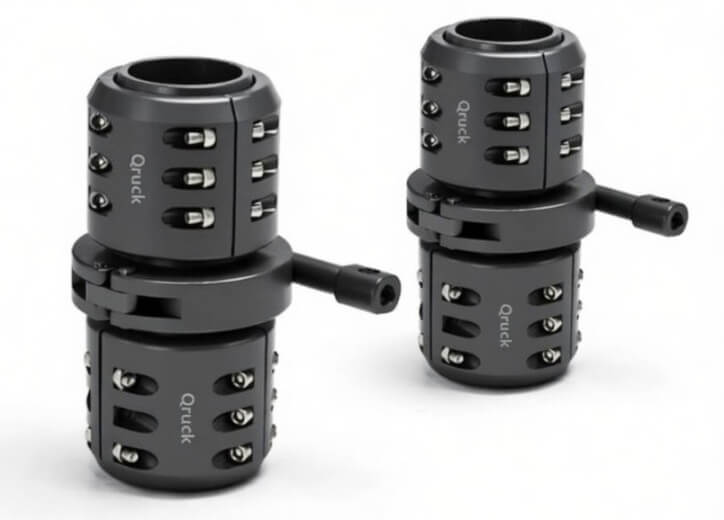
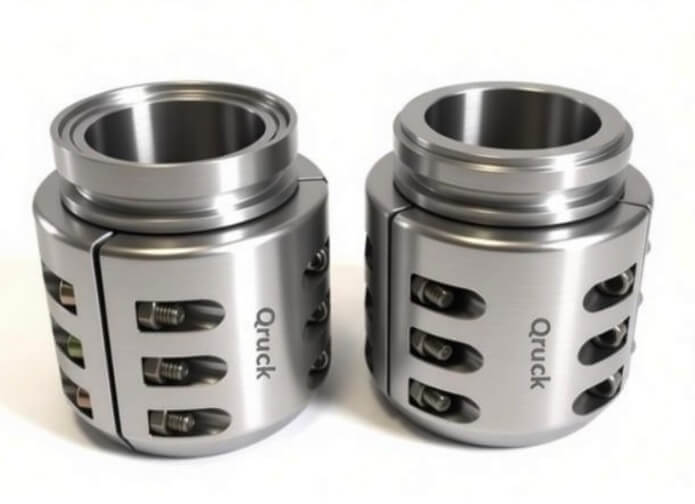
A typical high-pressure coupling adopts a clamp-type threaded locking structure. It consists of three parts: a left connector, a right connector, and a clamp. The end of the left connector is provided with a stop, and the end of the right connector has external threads. During installation, the clamp is fitted from the left connector side, and its annular retaining ring cooperates with the stop of the left connector to prevent disengagement. The right connector is then threaded into the clamp and tightened. To further prevent the clamp from loosening, the left connector is also provided with a ring of steel ring grooves. Once a steel ring is inserted, it can effectively stop the clamp. This structure provides an axial locking force far higher than snap-lock connections through the tightening force of the threads, fundamentally avoiding the risk of disengagement under high pressure.
Sealing Structure
The sealing structure is equally critical. The end faces of the left and right connectors are each provided with sealing ring grooves containing water-swellable sealing rings. When these sealing rings come into contact with water or foam concentrate, they expand in volume, filling the tiny gaps between the coupling end faces and forming a reliable sealing barrier. Some designs also use O-shaped convex sealing gaskets to further enhance sealing performance under negative pressure and high pressure.
Integrated Male-Female Quick-Connect Design
Another structural approach is an integrated male-female quick-connect design, which integrates multiple sets of male-female quick connectors through a base, enabling simultaneous long-distance delivery through multiple fire hoses. This is suitable for scenarios requiring parallel water supply, such as forest fires.
Manufacturing Process
The manufacturing process for high-pressure fire hose couplings has evolved from casting to forging, with the core difference lying in material density and mechanical properties.
Traditional Casting Processes
Traditional casting processes (casting blanks followed by machining) are lower in cost, but castings are prone to defects such as porosity and shrinkage. Under high-pressure conditions, these internal defects can become crack initiation sites, causing the coupling to rupture at pressure peaks.
Precision Forging
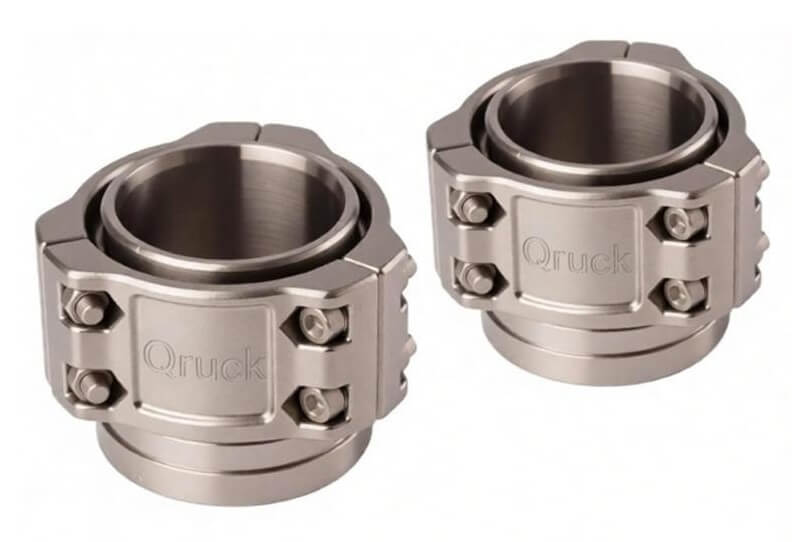
Precision forging is currently the mainstream manufacturing method for high-pressure couplings. Forging causes the metal billet to undergo plastic deformation under high pressure, resulting in continuous and rational metal flow lines and a dense structure, capable of eliminating defects such as cast porosity and gas holes. Forged couplings have higher strength, better pressure resistance, and more precise dimensional accuracy. Precision forging can also reduce subsequent cutting work, lower material and energy consumption, and give products precise shapes and low surface roughness.
Surface Treatment
Surface treatment is a necessary step after forging. Aluminum-magnesium alloy couplings are typically anodized, forming a dense oxide film on the surface that effectively prevents corrosion and water leakage and provides stable performance. Anodizing can also be colored (such as gold) for easy identification and aesthetic appeal.
Advantages
The core advantages of high-pressure fire hose couplings are reflected in three aspects:
High Pressure Resistance and Anti-Disengagement
High pressure resistance and anti-disengagement. Through threaded locking or reinforced clamp structures, the pressure-bearing capacity and anti-disengagement tensile force of the coupling far exceed those of ordinary snap-lock couplings. Experimental data shows that the disengagement tensile force of stainless steel high-pressure couplings can reach 14.5 MPa, several times the normal operating pressure.
Reliable Sealing
Reliable sealing. The combination of water-swellable sealing rings and multiple sealing structures ensures that no leakage occurs under high-pressure water flow impact and pressure fluctuations. The design of the sealing ring grooves prevents the seals from shifting or being damaged during installation and use.
Durability and Corrosion Resistance
Durability and corrosion resistance. Stainless steel or anodized aluminum-magnesium alloy materials can resist corrosion from water and foam concentrate as well as wear from repeated assembly and disassembly, offering a long service life and suitability for high-frequency practical use.
Specific Applications
High-pressure fire hose couplings primarily serve the following scenarios:
High-Rise Building Firefighting
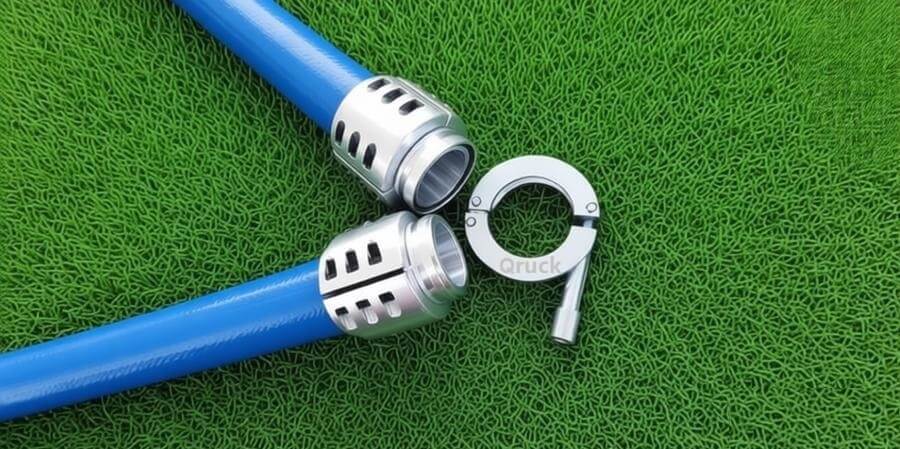
High-rise building firefighting. This is their most core application scenario. High-rise water supply requires high lift and high pressure, which ordinary couplings cannot withstand. High-pressure couplings ensure that every connection point in the vertical water supply pipeline is stable and reliable.
Long-Distance Water Supply
Long-distance water supply. In forest fires or large industrial fires, where the water source is far from the fire scene, multiple hose sections need to be connected in series to deliver high-pressure water. The pressure resistance and sealing performance of the couplings directly determine water supply efficiency.
High-Pressure Firefighting Equipment Connections
High-pressure firefighting equipment connections. Brass high-pressure couplings are commonly used to connect high-pressure fire hoses to fire pumps, fire monitors, high-pressure water guns, and other equipment, withstanding the impact of high-pressure water flow at equipment outlets.
Complex Turning Conditions
Complex turning conditions. At 90-degree right-angle turns in high-rise stairwells or shafts, traditional flexible hoses are prone to kinking and collapse, causing pressure loss. High-pressure couplings used in conjunction with dedicated right-angle adapter devices can achieve "zero-kink, zero-pressure-buildup" water supply, with pressure loss controlled within 5%.
Main Type
Need a specific configuration? QRUCK supplies forged aluminum and stainless steel high pressure lay-flat hose couplings in V-grooved (Victaulic) and Storz self-locking versions. Visit www.qruck.com for full specifications and OEM options.
Frequently Asked Questions (FAQ)
What materials are used in QRUCK high pressure fire hose couplings?
QRUCK high pressure couplings are manufactured in three mainstream materials: 304 stainless steel for extreme pressure-bearing scenarios, aluminum-magnesium alloy (A6061) forged and anodized for lightweight routine firefighting operations, and brass for high-pressure equipment connections requiring higher mechanical strength.
How much pressure can a stainless steel high pressure hose coupling withstand?
High-rise high-pressure fire hose couplings made from 304 stainless steel can achieve a strength test pressure of 10 MPa and a hose disengagement tensile force of 14.5 MPa — several times the normal operating pressure. The rigidity of stainless steel keeps the coupling resistant to deformation under high pressure.
Why are high pressure couplings forged instead of cast?
Traditional casting is lower in cost but prone to porosity and shrinkage defects, which can become crack initiation sites under high pressure and cause rupture at pressure peaks. Precision forging causes the metal billet to undergo plastic deformation, producing continuous and rational metal flow lines and a dense structure free of cast porosity and gas holes — resulting in higher strength, better pressure resistance and more precise dimensional accuracy.
How does the sealing structure of a high pressure coupling work?
The end faces of the left and right connectors are each provided with sealing ring grooves containing water-swellable sealing rings. When these rings contact water or foam concentrate, they expand in volume, filling the tiny gaps between the coupling end faces and forming a reliable sealing barrier. Some designs also use O-shaped convex sealing gaskets to further enhance sealing performance under negative pressure and high pressure.
What is the difference between the V-grooved (Victaulic) and Storz coupling types?
QRUCK offers both V-grooved (Victaulic grooved) and Storz self-locking high pressure lay-flat hose couplings, available in forged aluminum or forged stainless steel. Both use the threaded locking or reinforced clamp principle to deliver axial locking force far higher than conventional snap-lock connections, fundamentally avoiding the risk of disengagement under high pressure.
Which firefighting scenarios are high pressure hose couplings suitable for?
The primary applications include high-rise building firefighting (vertical water supply at high lift and high pressure), long-distance water supply in forest or large industrial fires, high-pressure firefighting equipment connections (fire pumps, fire monitors, high-pressure water guns), and complex turning conditions at 90-degree right-angle turns in stairwells or shafts, where pressure loss can be controlled within 5%.
Does QRUCK supply other firefighting and safety products besides hose couplings?
Yes. In addition to high pressure fire hose couplings, QRUCK supplies complementary firefighting and protective equipment, including Safety Clothing fabric used in protective workwear and firefighter turnout gear, along with related PPE materials. Please contact us at www.qruck.com for the full product range.